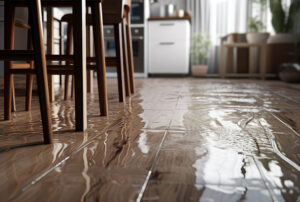

Struggling with streaky flooring?
If you love a pristine floor, streaking can be incredibly frustrating.
Fixing it is simple, though, if you use a process of elimination to get to the bottom of why it’s happening.
So, let the Parrys team guide your mopping investigation!
Check your cleaner
Firstly, it’s essential to consider if you’re using the wrong cleaning products or using too much for mopping your floor.
It’s a good idea to review what you’ve decided to place in the mop bucket with your water. Is there a better product you can use or one that’s more suited to your flooring? It’s worth changing it up to see if that helps.
Another common issue is using too much product, which can make floors sticky (attracting more dirt to get stuck!) and look streaky. So, carefully read the directions on the bottle and ensure you’re diluting the cleaner correctly.
To avoid this issue the Parrys team advise going natural and using only water, cold or warm when cleaning hardwood flooring. You may find using the fancy chemicals or oils negatively impacts your floor (this is what leaves streaks). So, water is advised above all else.
Your mop is dirty!
Old school mops are tricky to thoroughly rinse, which means they can harbour dirt that causes pesky floor streaks.
Many mop heads are notoriously difficult to clean, for that reason Parrys recommend use of a different mop for your bathrooms and toilets (where chemicals are used).
If it’s time for a new mop, find one with a removable head that can be thrown into the washing machine and dryer. Steam mops usually have washable removable cleaning pads and there are also disposable mop head pads. Investing in a high-quality mop will pay dividends.
Of course, it’s also crucial to clean your mop head during mopping or switch it out with a second mop or new mop head pad.
Review techniques
Incorrect mopping techniques can create streaks, so it’s vital to get it right.
The idea is to work backwards and end up in the doorway at the end of the room, to avoid stepping on clean areas. If you need to rinse your mop or change heads partway, ensure you can do this without backtracking.
While mopping in lines is popular, a figure eight motion reduces streaking and lifts dirt more effectively. Move in the direction of the floor’s grain (if applicable) too.
Ensure you’re also not using too much water and if your floors have deeply ingrained dirt, scrub those areas directly before mopping.
Lastly, waiting too long between mops can cause a grime buildup, making it harder to get a nice clear floor.
Make a final rinse a must
Some cleaners will leave a residue that can make your floor appear streaky. Even if the bottle states a fresh water-only rinse isn’t required after mopping, if you’re seeing streaking, it’s worth adding this to your routine.
And – as always – prevention is key, so if something gets spilled on your floor, cleaning it up immediately is essential.
Read More Blogs

About Ian Minotti
Ian is a renowned floor covering expert in product knowledge and installation. He is specialised in all types of floor coverings for many years and his knowledge in the industry is exceptional. Feel free to ask Ian any floor covering question you may have.
Article Topics
Recent Articles
-
![Parrys Carpets: How Plank Width Changes Your Space]()
How Plank Width Changes Your Space
Wide planks are among the hottest trends in timber and timber-inspired flooring in 2026 and...
Keep Reading -
![Parrys Carpets: What “100% Waterproof” Really Means]()
What “100% Waterproof” Really Means
When you live in a busy household with kids, pets or a pool, waterproof floors...
Keep Reading -
![Parrys Carpets: The True Cost of Cheap Flooring: Why Quality Matters]()
The True Cost of Cheap Flooring: Why Quality Matters
Decorating or renovating homes or offices can be expensive and it’s worth thinking about where...
Keep Reading